A logo is often the first conversation a brand has with its audience. When that logo moves, the conversation becomes far more memorable. 2D logo animation has emerged as one of the most effective ways to turn a static identity into a living visual experience that captures attention within seconds. From digital platforms and brand films to app interfaces and product launches, motion-driven logos communicate intent, personality, and professionalism with remarkable efficiency.
This blog explores how logos evolve from flat motion graphics into dimensional brand assets. You will learn why this shift matters, how it works in real projects, and how brands can use it to create lasting impressions without losing simplicity or brand recall.
The Power of 2D Logo Animation in Brand Storytelling
2D logo animation is often the first step brands take when entering motion design. Its strength lies in simplicity. Clean shapes, controlled movement, and clear timing help communicate brand personality quickly.
Why 2D Animation Still Leads the Way
Even with advanced tools available, 2D animation remains widely used because it offers clarity and flexibility. It works seamlessly across digital platforms and devices.
Key advantages include:
- Faster production timelines compared to complex 3D workflows
- Lower file sizes, ideal for websites and mobile apps
- Easy adaptation for regional campaigns and multilingual audiences
- Strong focus on typography, symbols, and brand colours
In the Indian market, where audiences consume content across varied bandwidths and devices, 2D animation ensures consistency without performance issues. It delivers impact without overwhelming the viewer.
Emotional Connection Through Motion
Movement triggers emotion. A smooth reveal, playful bounce, or confident sweep can subtly shape how people feel about a brand. When done right, 2D animation adds warmth and relatability, making the logo feel human rather than mechanical.
When and Why Brands Move Towards 3D Logo Animation
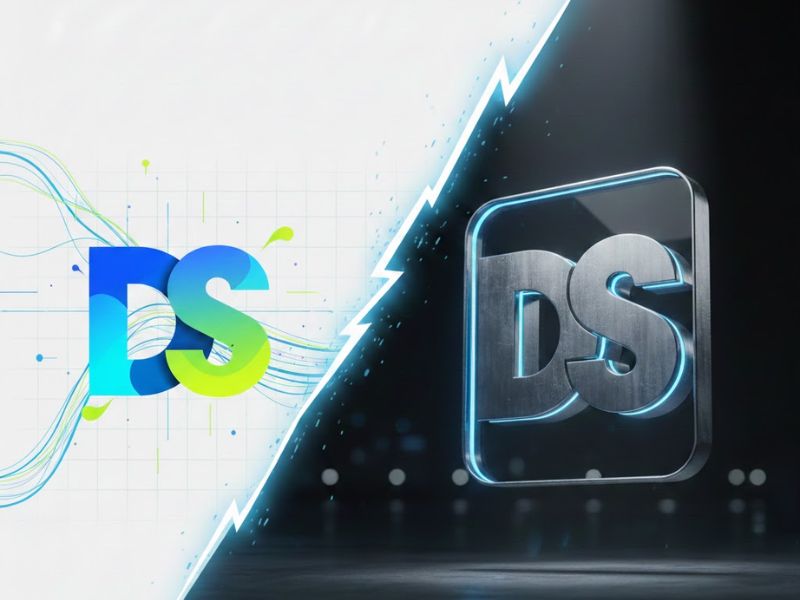
As brands grow and mature, their visual needs often expand. This is where 3D logo animation becomes relevant. Unlike flat visuals, 3D adds depth, lighting, and realism, creating a more immersive brand presence.
The Shift from Flat to Dimensional
3D animation is not about replacing 2D. It is about extending it. Many successful brands begin with a 2D animated logo and later reinterpret it in 3D for specific use cases such as brand films, event openers, or high-end product launches.
3D works especially well when:
- The brand wants a premium or cinematic feel
- Visual storytelling involves environments or spatial movement
- Products or services benefit from realism and depth
- Long-form video content is part of the marketing strategy
Balancing Style with Substance
One common misconception is that 3D automatically looks better. In reality, poor execution can feel heavy or distracting. Effective 3D logo animation respects the original brand identity while enhancing it with subtle depth and lighting.
The goal is not complexity for its own sake, but clarity with dimension.
Understanding 3D Modelling and Texturing in Logo Design
To truly appreciate 3D logos, it helps to understand the role of 3D modelling and texturing. This is where a logo moves from being a flat design into a digital object.
What is 3D Modelling in Branding
3D modelling involves building a logo as a three-dimensional form. Every curve, edge, and surface is carefully constructed to ensure accuracy and balance. For logos, precision is critical because even small distortions can affect brand recognition.
Why Texturing Makes All the Difference
Texturing adds surface detail to the model. This could include matte finishes, metallic reflections, glass effects, or soft gradients. Texturing helps define how light interacts with the logo, giving it realism and character.
Together, 3D modelling and texturing allow brands to:
- Maintain consistency across animation, print, and product visuals
- Create adaptable assets for future campaigns
- Present logos in real-world environments convincingly
When aligned with brand guidelines, these techniques elevate the logo without altering its core identity.
Choosing the Right Approach for Your Brand
Not every brand needs to jump straight into 3D. The choice between 2D logo animation and 3D solutions depends on goals, audience, and platforms.
Questions Brands Should Ask
Before deciding, consider:
- Where will the logo be used most often
- What emotions should the brand evoke
- How digitally mature is the audience
- What is the long-term branding vision
For startups and digital-first businesses, 2D animation often delivers faster impact. Established brands with diverse media presence may benefit from combining 2D and 3D strategically.
A Hybrid Approach Works Best
Many brands now adopt a layered strategy. They use 2D animation for everyday digital touchpoints and reserve 3D logo animation for flagship content. This ensures flexibility without losing visual coherence.
Key Takeaways: What This Evolution Means for Brands
The journey from 2D logo animation to 3D design is not about trends alone. It reflects how brands communicate in a visual-first world. 2D animation provides clarity, speed, and emotional connection. 3D adds depth, realism, and cinematic appeal. 3D modelling and texturing ensure that logos remain adaptable, future-ready, and visually consistent.
The most successful brands do not choose one over the other blindly. They align their design approach with audience expectations and business goals. Motion design works best when it serves the story, not when it tries to steal the spotlight.
For any brand, the real value lies in thoughtful execution rather than flashy effects.
Conclusion
Design is no longer static, and logos should not be either. Whether you start with 2D logo animation or explore 3D from the beginning, motion-driven branding helps your identity stay relevant and memorable. As digital platforms continue to evolve, brands that invest in flexible visual systems will always stay ahead.
If you are considering elevating your logo through animation or dimensional design, working with a team that understands both strategy and craft makes all the difference. Studios like PaperCraft approach logo design with a balance of creativity and clarity, ensuring motion enhances meaning rather than distracting from it.
The next time you think about your brand identity, ask yourself not just how it looks, but how it moves. That movement might be what sets you apart.